
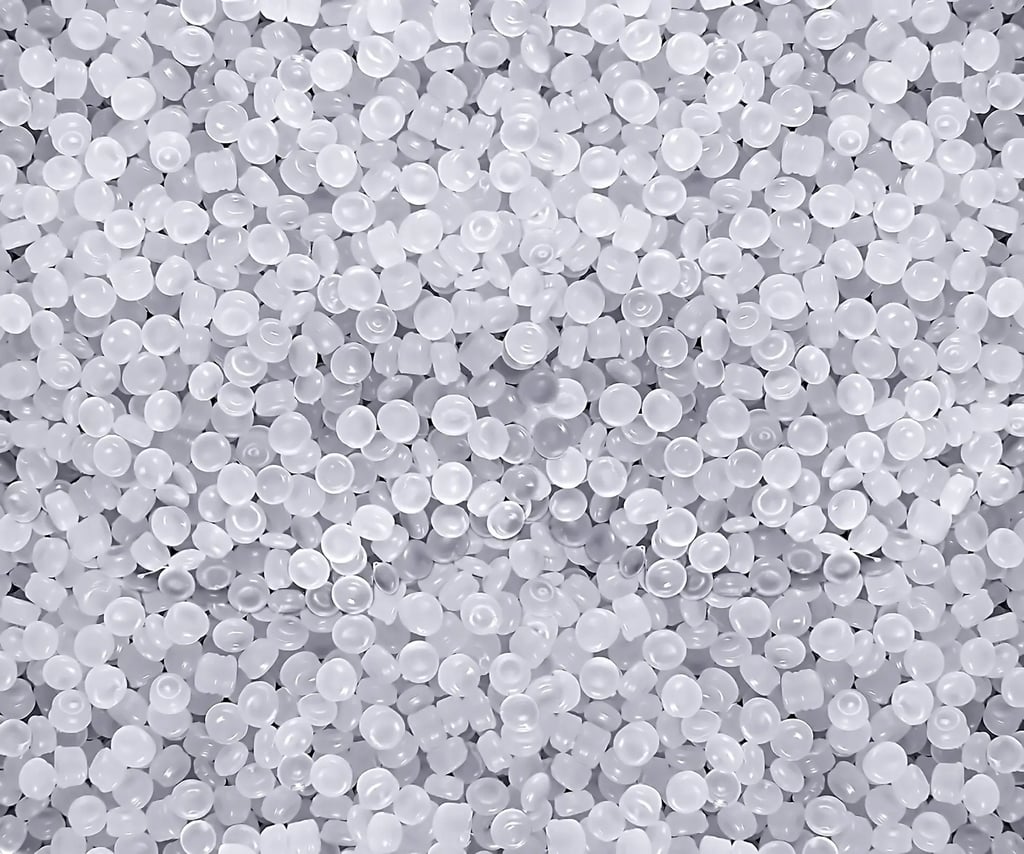
Material selection affects protection, handling, cost, and long term performance. When comparing HIPS vs PET trays, the decision should focus on how your parts are handled, shipped, and stored.
Both materials are common in thermoformed trays. Each has strengths that align with specific applications in medical, electronics, machining, and contract manufacturing environments.
What Is HIPS and When Does It Make Sense?
High Impact Polystyrene, or HIPS, is widely used in thermoformed trays because it balances durability and cost. It provides solid impact resistance and structural rigidity for part protection.
HIPS trays are often selected when:
- Parts need impact protection during shipping and handling.
- Cost control is important for medium to high volume programs.
- The tray will be reused multiple times in controlled environments.
- Cosmetic clarity is not the primary requirement.
HIPS is common in industrial packaging for machined components, metal parts, and general small component storage.
What Is PET and When Is It Preferred?
Polyethylene Terephthalate, or PET, is known for its clarity and moisture resistance. It is often chosen when visual inspection and presentation matter.
PET trays are commonly used when:
- Clear visibility of the part is important.
- Moisture exposure is a concern.
- Packaging may face variable storage environments.
- Appearance plays a role in the customer experience.
PET is often seen in medical packaging, electronics, and retail oriented applications.
Durability and Impact Resistance
When comparing durability, HIPS is typically valued for its toughness and resistance to cracking under impact. PET offers good strength but may prioritize clarity over pure impact performance depending on thickness.
If trays will be stacked, reused, or subjected to rough handling, thickness and design often matter more than material alone.
Clarity and Visual Inspection
PET generally offers better optical clarity than HIPS. If operators or customers need to inspect parts without removing them from the tray, PET can support faster visual checks.
HIPS trays are usually opaque or semi opaque, which is acceptable in industrial workflows where protection is the primary objective.
Cost Considerations Beyond Material Price
Material cost is only one part of the decision. Total cost includes damage prevention, reuse cycles, handling efficiency, and scrap reduction.
Consider these cost factors:
- Unit material price at required thickness.
- Expected reuse cycles.
- Damage rates and scrap risk.
- Labor impact during inspection or kitting.
Application Based Guidance
There is no universal best choice. The right material depends on your program.
- Choose HIPS when durability and cost efficiency are primary drivers.
- Choose PET when clarity and moisture resistance matter.
- Consider custom tray design to enhance material performance.
- Validate with samples before scaling production.
Next Step: Test with Your Actual Parts
Material differences become clear during real world testing.
Get a Free Sample to compare HIPS and PET tray performance with your specific components.