
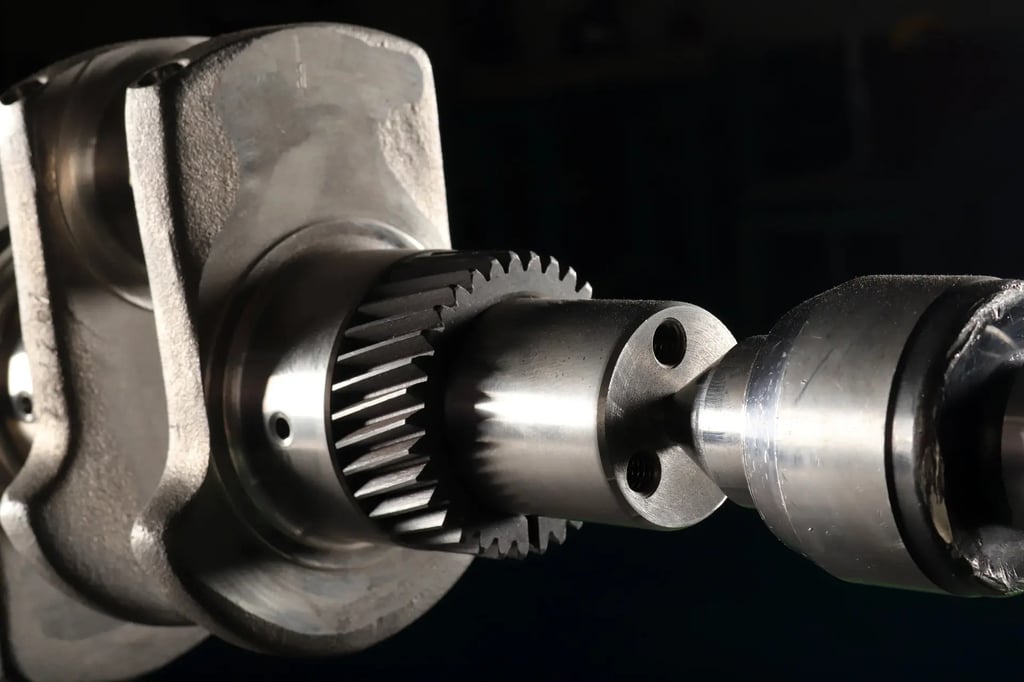
Machining parts packaging must control movement, prevent surface contact, and support stacking loads. Cardboard can work in limited situations. For precision components, plastic trays often reduce risk and improve consistency.
The Hidden Risk in Cardboard Packaging
Cardboard and corrugated inserts are common because they are inexpensive and easy to source. They appear protective at first glance. The problem is movement control.
When machined parts sit loosely inside cardboard dividers or layered boxes, they can shift during vibration. Even small movements can cause surface marring, chipped edges, or coating damage.
Common failure points include:
- Parts rubbing against each other during transit.
- Dividers collapsing under stacking pressure.
- Moisture softening corrugated strength.
- Inconsistent pack-out between shifts.
For low-precision components, these risks may be acceptable. For tight-tolerance or cosmetic parts, they become expensive quickly.
How Plastic Trays Control Movement
Plastic trays use pocket geometry to isolate each part. Instead of relying on friction or careful loading, trays define where parts sit.
This improves protection by:
- Separating parts to prevent metal-to-metal contact.
- Defining contact points on non-critical surfaces.
- Reducing vibration-induced shifting.
- Maintaining orientation across shipments.
When pocket clearance is engineered correctly, trays create repeatable outcomes that cardboard cannot guarantee.
Surface Finish Protection Matters
Many machined parts receive secondary operations such as anodizing, plating, coating, or polishing. These finishes are often more vulnerable than the base material.
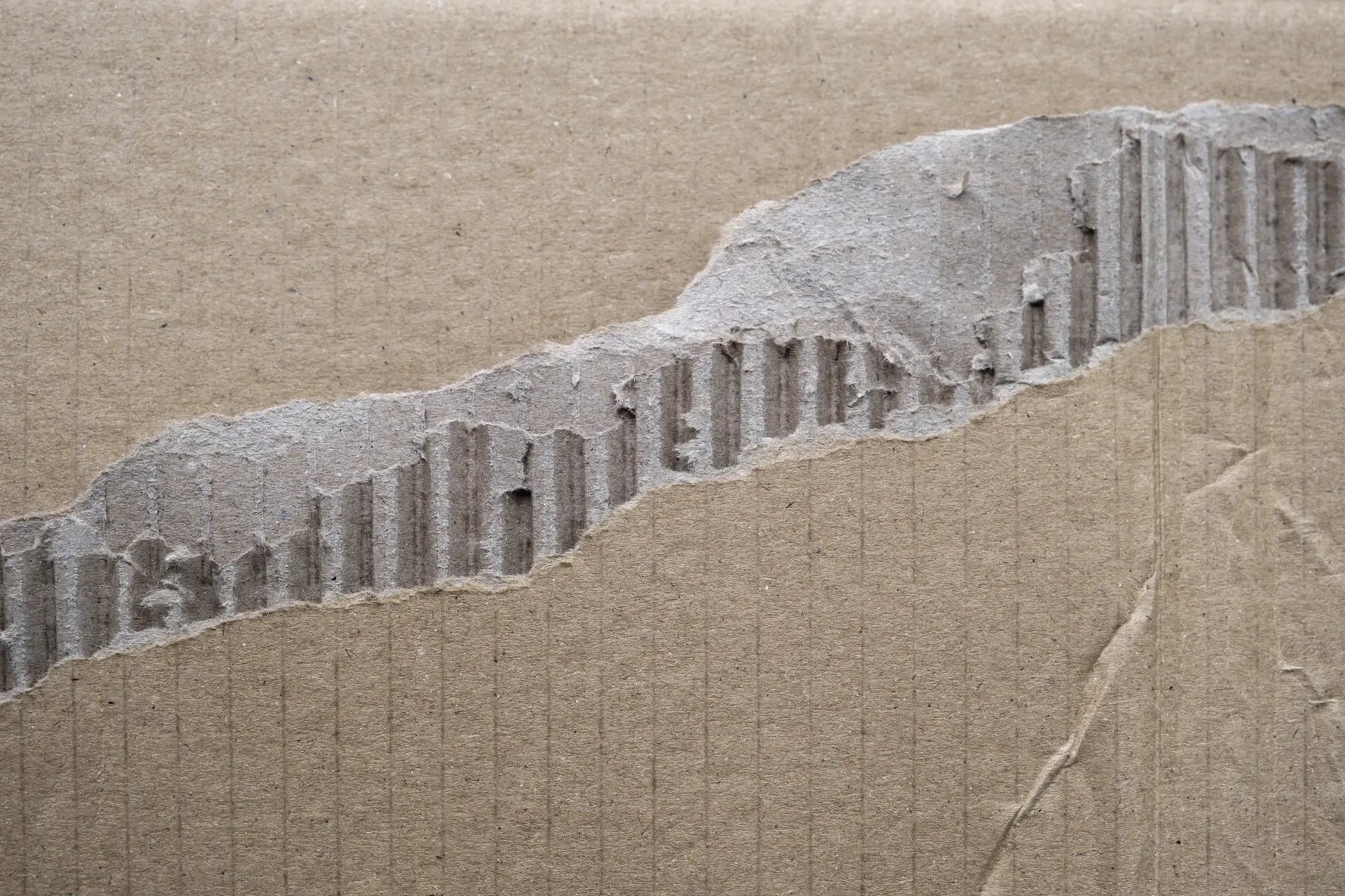
Cardboard can shed fibers, absorb moisture, and allow sliding contact. Plastic tray pockets can be designed to support parts at defined structural points rather than finished surfaces.
This approach significantly reduces cosmetic rejects and rework.
Stacking Strength and Load Distribution
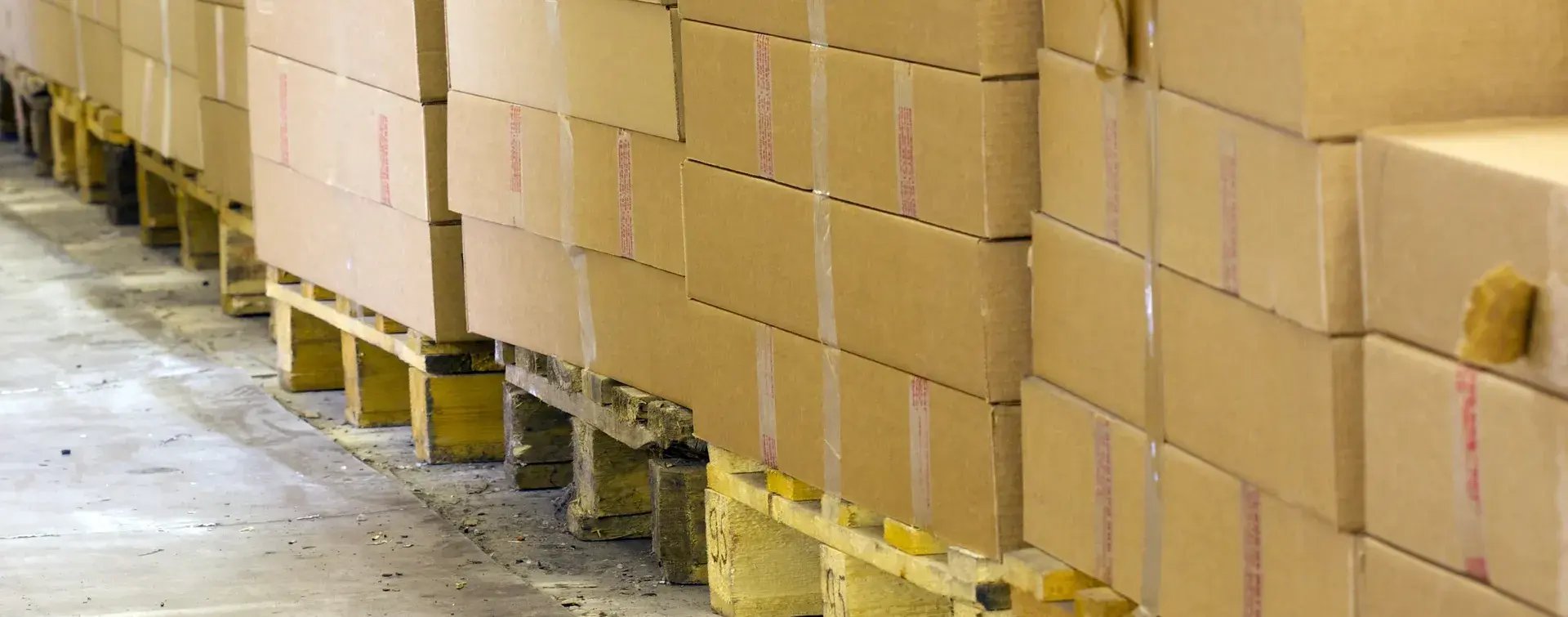
In contract manufacturing environments, trays are stacked, palletized, and moved multiple times before shipment. If load transfers through parts instead of structural tray features, damage risk increases.
Thermoformed trays can include reinforced rims and stacking features that route compression loads through the tray structure rather than through the parts.
Cardboard solutions often degrade under humidity or repeated handling, reducing stacking reliability over time.
Workflow Efficiency on the Shop Floor
Packaging affects more than shipping. It impacts inspection, counting, and assembly.
Plastic trays help machining and contract manufacturing teams by:
- Providing built-in pocket counts.
- Maintaining consistent part orientation.
- Reducing counting errors.
- Simplifying kitting operations.
Cardboard often requires manual counting, bagging, or layered separation that increases labor time.
Cost: Unit Price vs Total Cost of Ownership
Cardboard may have a lower upfront cost. Total cost includes damage rates, labor time, scrap, and workflow inefficiencies.
If a packaging method increases cosmetic rejects or rework, the savings disappear quickly.
Plastic trays often lower long-term risk by improving protection and reducing handling variation.
When Cardboard May Still Make Sense
Cardboard may remain appropriate when parts are extremely robust, shipping distances are short, and cosmetic requirements are minimal.
For precision machined parts, coated surfaces, or multi-step contract manufacturing workflows, trays typically provide more predictable performance.
Next Step: Validate with Real Machined Parts
The most effective way to compare packaging methods is to test with your actual components under real stacking and transit conditions.
Get a Free Sample to evaluate pocket fit and protection performance before committing to full production quantities.