
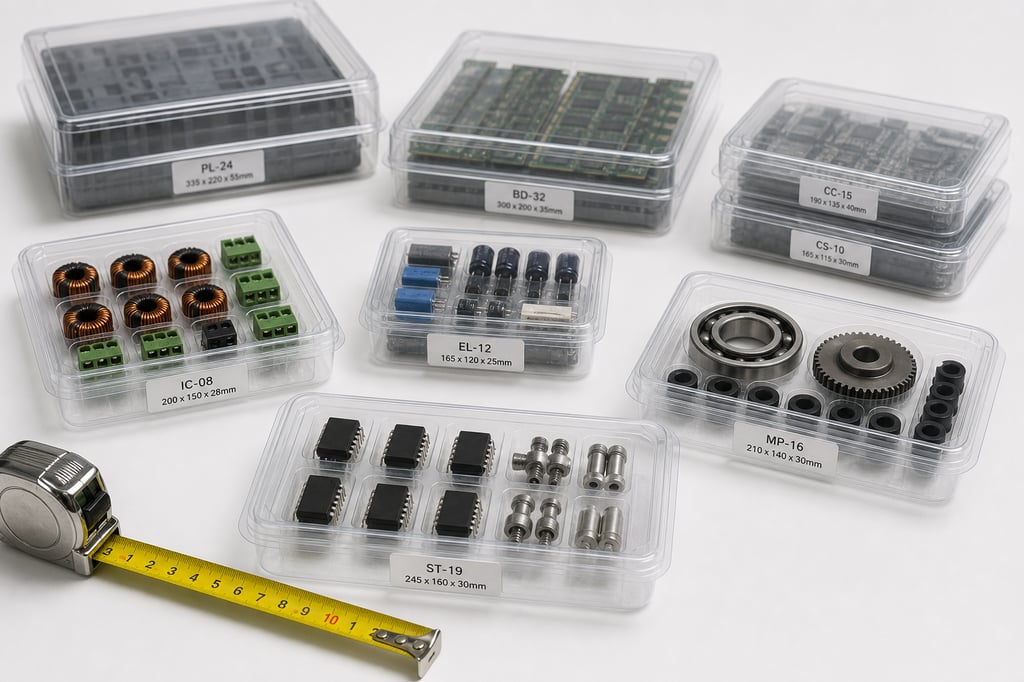
Why This Decision Matters
Not every plastic packaging tray needs a lid. In some workflows, an open tray already does the job. The tray organizes the parts, the environment is controlled, and the distance between process steps is short. In other workflows, leaving the tray open adds risk. Parts can collect dust, get touched too often, or shift during storage and transfer.
That is why lids should be evaluated as part of the package, not as a last-minute accessory. The real question is simple: what problem is the lid solving? In many cases, the answer becomes clearer once you compare stock trays, stock lids, and any custom tray needs in the same workflow.
That systems view matters because buyers often discover the lid need late. A team may start with part separation, then realize the package also needs coverage for staging, storage, or shipping. Looking at the tray and lid together early helps avoid mismatched footprints and improvised covers.
When Lids Usually Make Sense
- The tray will be carried, staged, shelved, or shipped before the parts are used.
- The parts are lightweight, polished, fragile, or easy to displace.
- Open pockets may collect dust or see repeated incidental contact.
- You are building a tray program for kitting, storage, or repeat reorder consistency.
A lid is most useful when the tray has to protect order and cleanliness after the part is loaded. That often applies to machined parts, molded components, small electronics, medical items, and precision assemblies. A lid does not replace good pocket design, but it can help the package stay intact through normal handling.
This comes up often in staged production and internal logistics. A tray may leave one department, wait on a shelf, move on a cart, and then be picked up again later. If the part will travel through several touchpoints before final use, a lid can add practical coverage without changing the rest of the tray system.
Lids can also simplify buying. Ready-Made’s Lids collection gives buyers a direct way to pair a known tray footprint with a standard cover. That can be useful when operations already know the tray family they want and do not need a fully custom package.
When An Open Tray May Be Enough
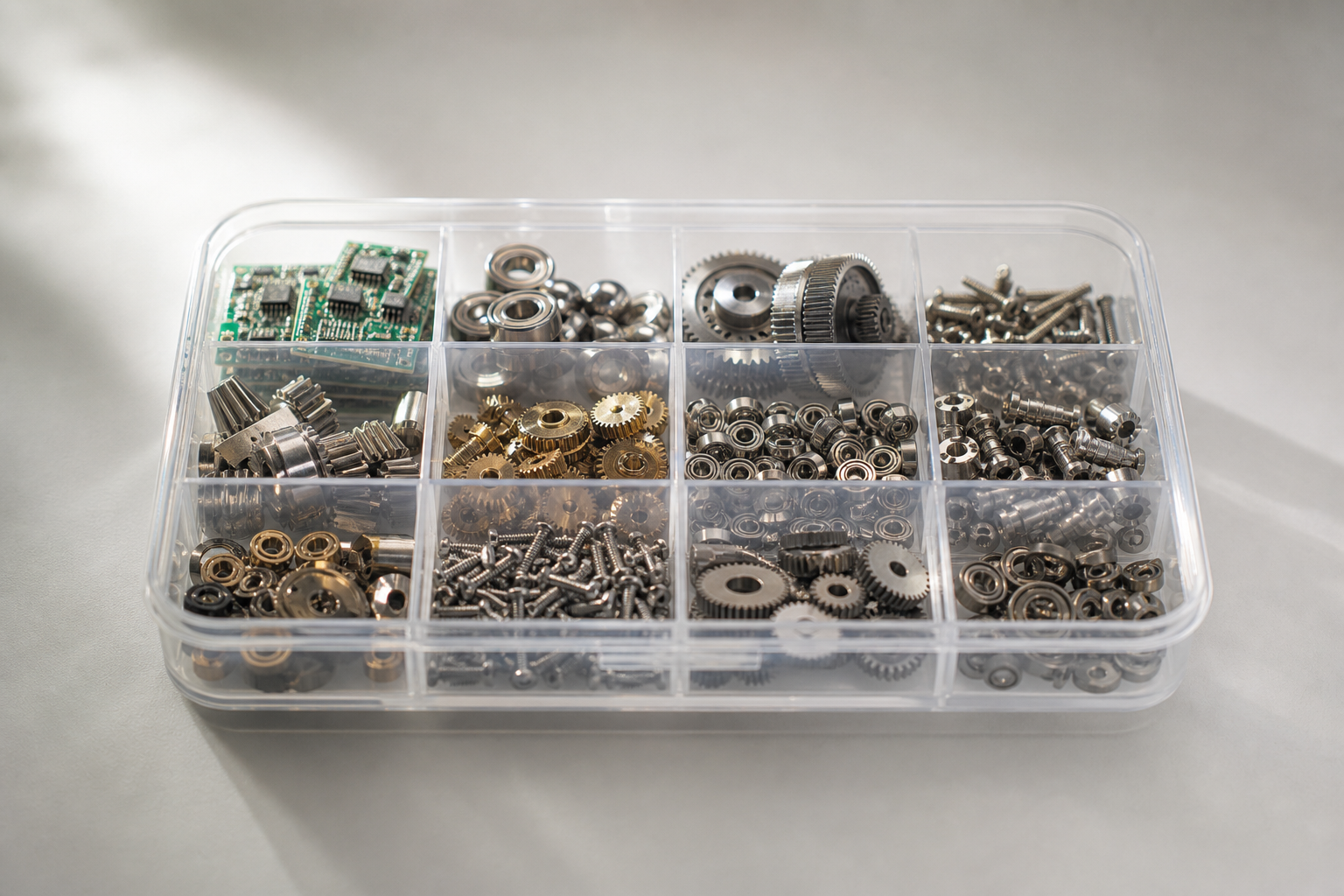
There are many cases where an open tray is the better answer. If the tray stays indoors, the pockets hold the parts securely, and the package only moves a short distance, a lid may add cost and handling steps without solving a real problem.
Open trays also make sense when fast access matters more than coverage. Bench work, in-process presentation, and repetitive picking are good examples. In those setups, it is often smarter to improve the tray layout itself by choosing a better pocket design or a better tray footprint than to add a lid that operators will remove all day.
How To Decide Before You Order
Start with the workflow, not the lid. Ask how many times the tray will be moved, where it will sit between steps, and what kind of contact the parts may see. Then look at how quickly operators need access. If the main issue is contamination, incidental handling, or travel between locations, a lid may help. If the issue is fit or part retention inside the pocket, the bigger need may be the tray design itself.
If a standard footprint already works, check whether a matching lid is available. Ready-Made offers clear PET stock lids in several common sizes, which can speed up evaluation for teams that want a ready-to-go solution. Buyers can also request a free sample before ordering larger volumes.
Sampling matters because the best lid decision is a practical one. A sample lets you test fit, stack behavior, access, and handling with your actual parts. It can confirm that a stock tray-and-lid combination is enough, or show that you need to move toward a custom tray solution.
Stock Lids Versus Custom Packaging
Stock lids are a strong option when speed and simplicity matter. They are easier to review, sample, and reorder, especially when your team is already buying from a standard tray line. If your part fits a stock tray and the matching lid solves the coverage issue, that is usually the fastest path.
Custom packaging makes more sense when the lid question points to a larger requirement. Some applications need deeper pockets, specific cavity spacing, finger access, anti-static protection, or a material choice tied to the end use. In those cases, treating the lid as the only decision can hide the real packaging problem.
It can also affect standardization. When multiple operators or locations use the same package, a tray-and-lid combination that stacks, stores, and reorders cleanly may be worth more than the lid alone. That is another reason to compare stock options against the full process before choosing a path.
That is especially true for sensitive components. Teams packaging circuit boards, connectors, and similar parts may need to review electronics packaging requirements alongside lid options. Medical and clean handling applications may also need the tray choice to line up with how the package is used, stored, and moved.
The Practical Buying Rule
Use a lid when it helps preserve order, cleanliness, and control through the actual handling path. Skip it when the tray already performs well in a controlled, accessible workflow. If you are unsure, start with a sample. You can browse stock lids, review stock trays, and Get a Free Sample before deciding whether a stock combination is enough or whether your application calls for a custom design.