

When parts are damaged in transit or during in-process handling, the root cause is often pocket design. The tray material may be strong. The walls may be thick enough. But if the pocket geometry is wrong, parts move, rub, tilt, or collide.
Plastic tray pocket design is not just about fitting a part into a cavity. It is about controlling movement, protecting critical surfaces, supporting stacking loads, and aligning with how operators actually handle trays on the floor.
Pocket Clearance: Too Tight vs Too Loose
Clearance is the gap between the part and the tray wall. It sounds simple, but it is one of the most common failure points in tray design.
If clearance is too tight:
- Operators may force parts into pockets.
- Edges can scrape during insertion and removal.
- Dimensional variation may cause inconsistent fit.
If clearance is too loose:
- Parts can shift during vibration.
- Part-to-part contact increases.
- Critical surfaces may contact tray walls.
Effective pocket design balances tolerance variation with movement control. Engineers must consider part dimensional range, not just nominal size.
Contact Points and Surface Protection

Not all surfaces are equal. Many parts have cosmetic faces, coatings, machined edges, or functional features that must not contact packaging.
Good pocket design intentionally defines contact points on non critical areas. Instead of allowing broad surface contact, trays can support parts at controlled locations.
This approach:
- Reduces surface marring.
- Protects coatings and finishes.
- Improves consistency across shifts.
In medical device and precision machining environments, defined contact strategy often separates acceptable packaging from costly scrap.
Pocket Depth and Retention
Depth influences both stability and accessibility. Shallow pockets may allow parts to pop out. Deep pockets can slow operators or create removal issues.
Retention features such as slight undercuts, ribs, or geometry transitions can stabilize parts during vibration without making removal difficult.
Design must consider:
- Shipping vibration levels.
- Stacking compression loads.
- Manual vs automated loading.
Stacking and Load Transfer
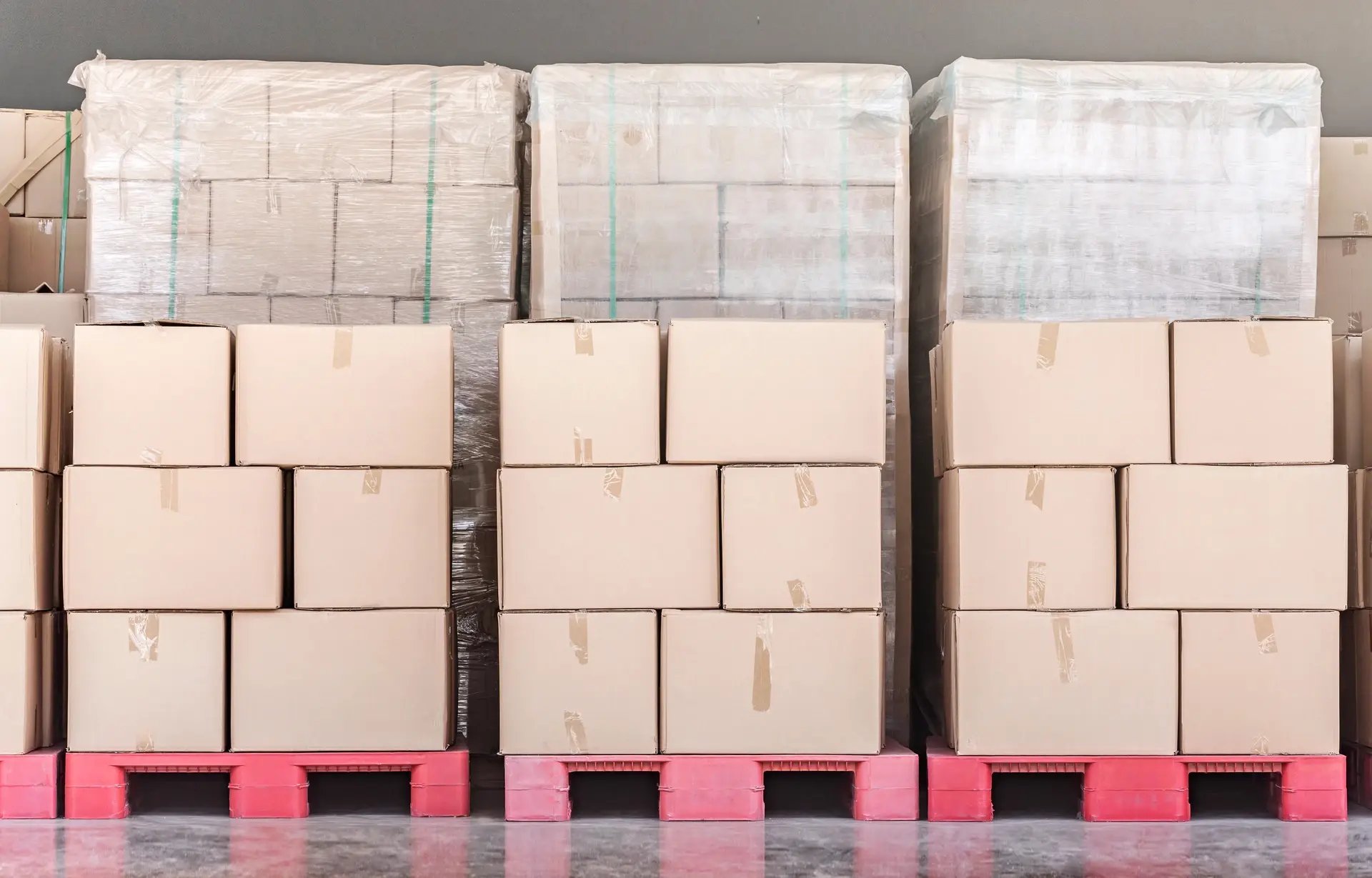
Pocket design also affects how trays stack. If stacking load transfers through parts instead of structural tray features, damage risk increases.
Proper design routes load through:
- Tray rims.
- Stacking features.
- Reinforced corners or ribs.
When trays are reused or palletized, stacking geometry becomes critical to long term durability.
Orientation and Workflow Control
Pocket design can also control part orientation. In contract manufacturing, inspection, or assembly, consistent orientation reduces handling time and errors.
Orientation control can:
- Speed inspection.
- Reduce misloads.
- Simplify kitting and counting.
Common Pocket Design Mistakes
Several recurring mistakes show up in underperforming trays.
- Designing to nominal dimensions without tolerance analysis.
- Ignoring stacking behavior during early design.
- Assuming material strength compensates for loose geometry.
- Failing to test under real shipping conditions.
Material thickness cannot compensate for poor geometry. Protection begins with pocket logic.
Stock vs Custom Pocket Design
Stock trays work when pocket dimensions align closely with part geometry. If the fit requires compromise, custom pocket design often reduces risk long term.
Custom trays allow engineers to:
- Define precise contact points.
- Adjust clearance for tolerance ranges.
- Integrate retention features.
- Optimize stacking geometry.
Next Step: Validate Pocket Fit with Real Parts
Drawings provide direction, but real parts reveal performance. Testing under actual handling and stacking conditions confirms whether pocket geometry performs as expected.
Get a Free Sample to evaluate pocket design with your components before committing to full production tooling.