
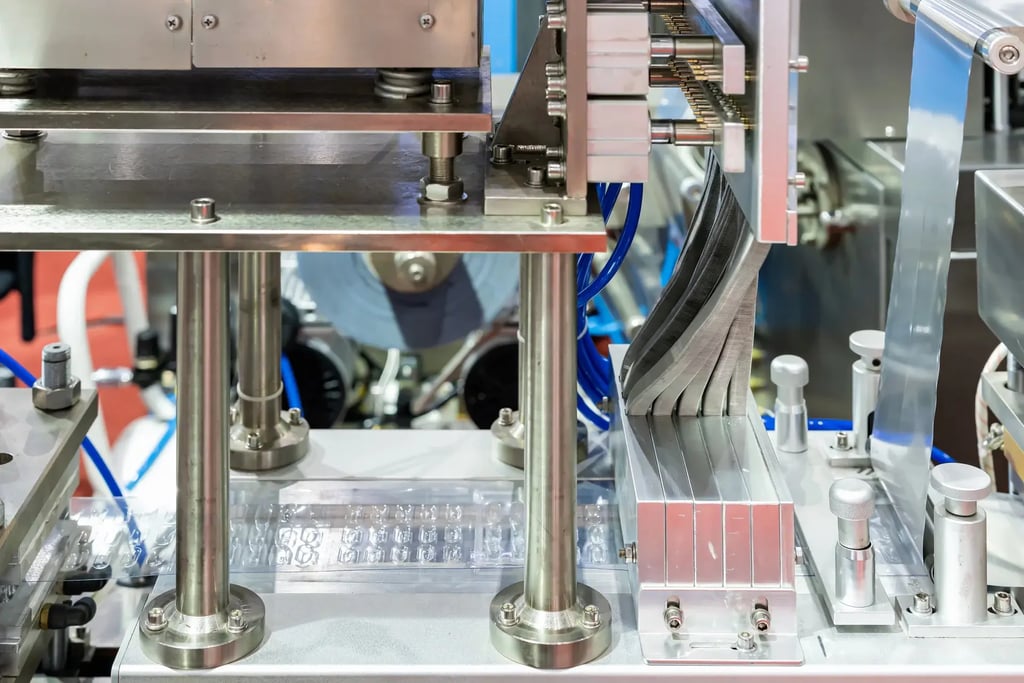
When a thermoformed tray arrives at your facility, it looks simple. It has pockets, a defined rim, and sometimes a compatible lid. But the process behind that tray determines whether your parts arrive scratched, misaligned, or ready for efficient handling.
If you are evaluating stock trays or planning a custom solution, understanding the thermoformed trays manufacturing process helps you assess supplier capability with confidence. It moves the conversation from surface claims to real production controls.
This article walks through the full process, from sheet selection to inspection, and explains why each step matters for precision components in medical, electronics, aerospace, machining, and manufacturing environments.
What Thermoforming Means for Packaging Trays
Thermoforming is a manufacturing process that heats flat plastic sheet, forms it over a mold, and trims it into a finished part. For trays, it offers practical advantages: defined pocket geometry, efficient material use, and scalability from small validation runs to production volumes.
Vacuum forming pulls softened sheet against the mold using negative pressure. Pressure forming adds positive pressure for greater detail definition. The right method depends on your pocket depth, part sensitivity, and retention requirements.
Unlike injection molding, thermoforming starts with sheet instead of molten pellets. That distinction often makes it more efficient for larger footprints and moderate run sizes typical in industrial packaging.
Material Selection and Sheet Preparation
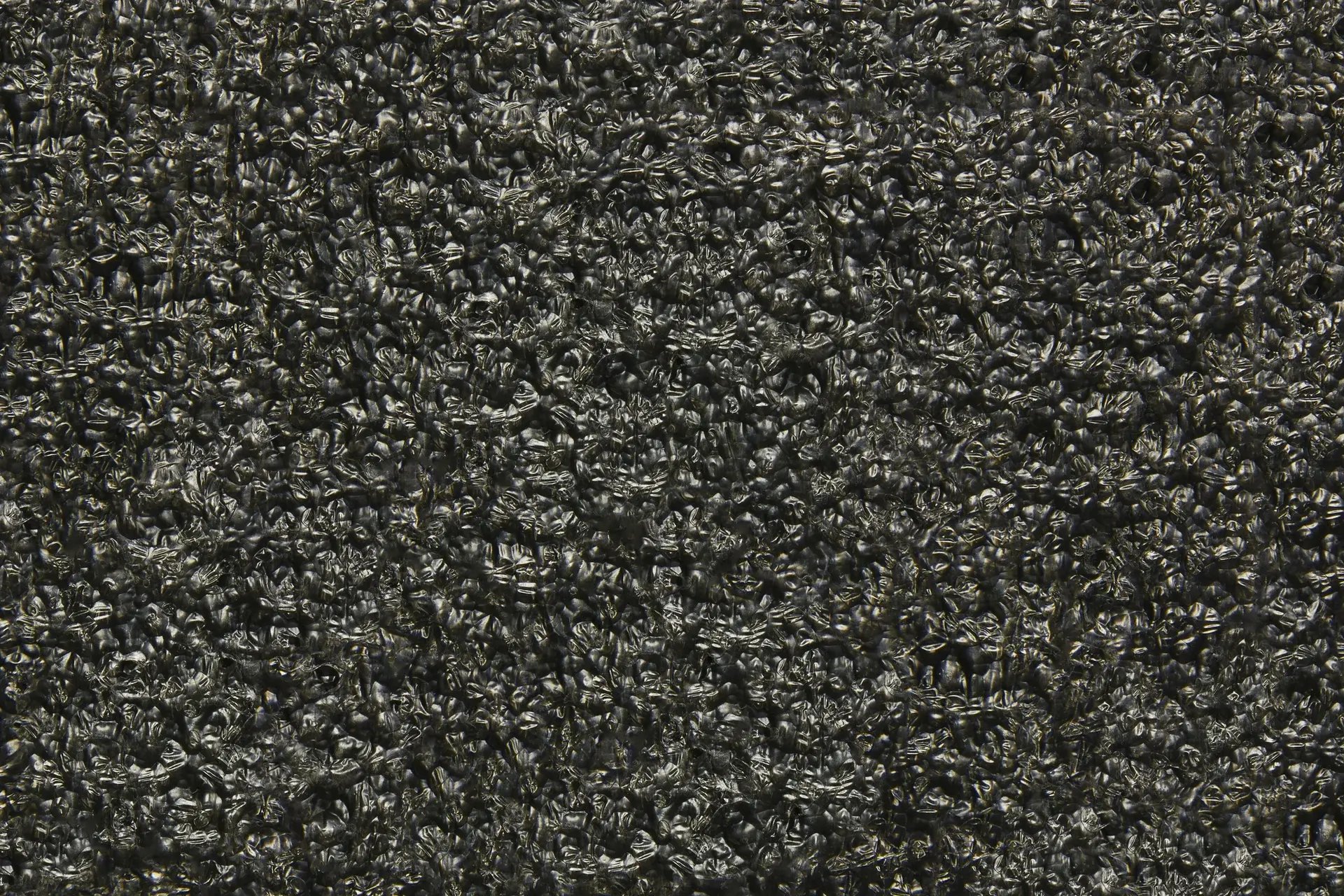
The manufacturing process begins with selecting the correct sheet material. Common options include HIPS (High Impact Polystyrene) and PET (Polyethylene Terephthalate). You can review detailed material characteristics in Ready-Made’s plastic materials guide to compare performance tradeoffs.
HIPS is widely used for durable, cost-effective trays. PET is often selected when clarity and visibility are important. Custom programs may incorporate specialty materials for chemical resistance or ESD protection, depending on application needs.
Sheet thickness influences stiffness, pocket strength, stacking performance, and nesting behavior. Thicker material improves rigidity but changes draw characteristics and cost. A capable thermoforming partner explains these tradeoffs rather than defaulting to one gauge.
Controlled Heating and Temperature Management
After loading into the forming machine, the sheet is heated to a controlled temperature window. It must become pliable without thinning excessively. Uneven heating can lead to weak spots or inconsistent pocket walls.
Modern thermoforming equipment uses zoned heating systems that allow operators to balance temperature across the sheet. This is particularly important when molds include deeper cavities that stretch the material more aggressively.
Heat control is one of the primary drivers of repeatability. Consistent temperature results in consistent wall thickness, which translates into reliable durability during shipping and handling.
Forming Over a Precision Tool
Once heated, the sheet moves over a precision-machined mold. Vacuum, pressure, or a combination of both shapes the material into defined pockets, ribs, and structural features.
For custom programs, tooling design becomes critical. CNC-machined tools maintain consistent pocket depth and spacing across production runs. Ready-Made’s
custom tray capabilities, available on the Custom Trays page, include pocket depths up to 2 inches, supporting many small-part and precision applications.
Tool surface finish and venting design also affect part quality. Proper venting allows air evacuation from corners, ensuring pockets fully form without voids or distortion.
Cooling and Dimensional Stability
After forming, the tray cools while held in position. Cooling locks in dimensional stability and reduces the risk of warping.
Flatness and stability directly affect stacking, nesting, and automation compatibility. Inconsistent cooling can introduce subtle twist that interferes with repeatable workflows.
A well-controlled cooling phase ensures trays sit evenly, stack consistently, and maintain footprint accuracy across batches.
CNC Trimming and Edge Finishing
Once cooled, the tray remains part of a larger sheet web. CNC trimming separates the tray and defines its final footprint. Trimming accuracy is critical when trays must align with lids or automation equipment.
If you use compatible lids or need consistent stock sizing, you can review available configurations when you Shop Stock Trays.
Edge finish also matters. Clean, consistent trimming reduces snagging, improves stacking, and enhances day-to-day usability.
Inspection and Quality Verification

Inspection verifies pocket depth, spacing, footprint dimensions, and material integrity. Quality control ensures trays meet dimensional and functional requirements before shipment.
For electronics programs involving static-sensitive components, packaging considerations may reference standards such as ANSI/ESD S20.20.
Material traceability and documented inspection practices are especially important for regulated industries and precision manufacturing environments.
Stock and Custom Process Differences
Stock trays use established tooling and are optimized for rapid fulfillment. When your part geometry fits an existing pocket layout, stock solutions reduce tooling investment and shorten procurement timelines.
For unique geometry or handling requirements, many teams validate fit first through the Free Samples program before committing to custom tooling.
Custom trays allow full alignment with part orientation, stacking features, finger access, and material requirements.
Why U.S.-Based Manufacturing Builds Confidence
Domestic thermoforming supports shorter communication loops between engineering, tooling, and production teams. When adjustments are needed, collaboration can happen quickly and clearly.
For companies operating in the United States and Canada, U.S.-based production reduces freight uncertainty and improves supply chain transparency.
Traceable material sourcing and controlled in-house processes reinforce buyer confidence, particularly for industries that require documentation and repeatability.
Next Steps
If your application requires precise pocket geometry, special materials, or workflow-specific features, the most efficient next step is to review your specifications with an experienced thermoforming partner.