

Why Lead Time Changes From One Custom Tray Project To The Next
Procurement teams often ask for a lead time number early in the buying process. That makes sense. You need to plan production, line changeovers, shipments, and approvals. The problem is that custom thermoforming lead times are tied to the tray design itself. A simple tray for a stable part can move quickly. A tray that needs fit validation, special material performance, or multiple rounds of review will take longer.
That is why it helps to treat lead time as a design-and-decision question, not just a scheduling question. If your part dimensions are settled, your handling requirements are clear, and your team knows whether you need stock-style performance or a fully custom tray, the process gets easier to control.
The Biggest Factors That Affect Custom Thermoforming Lead Times
Part Geometry And Pocket Complexity
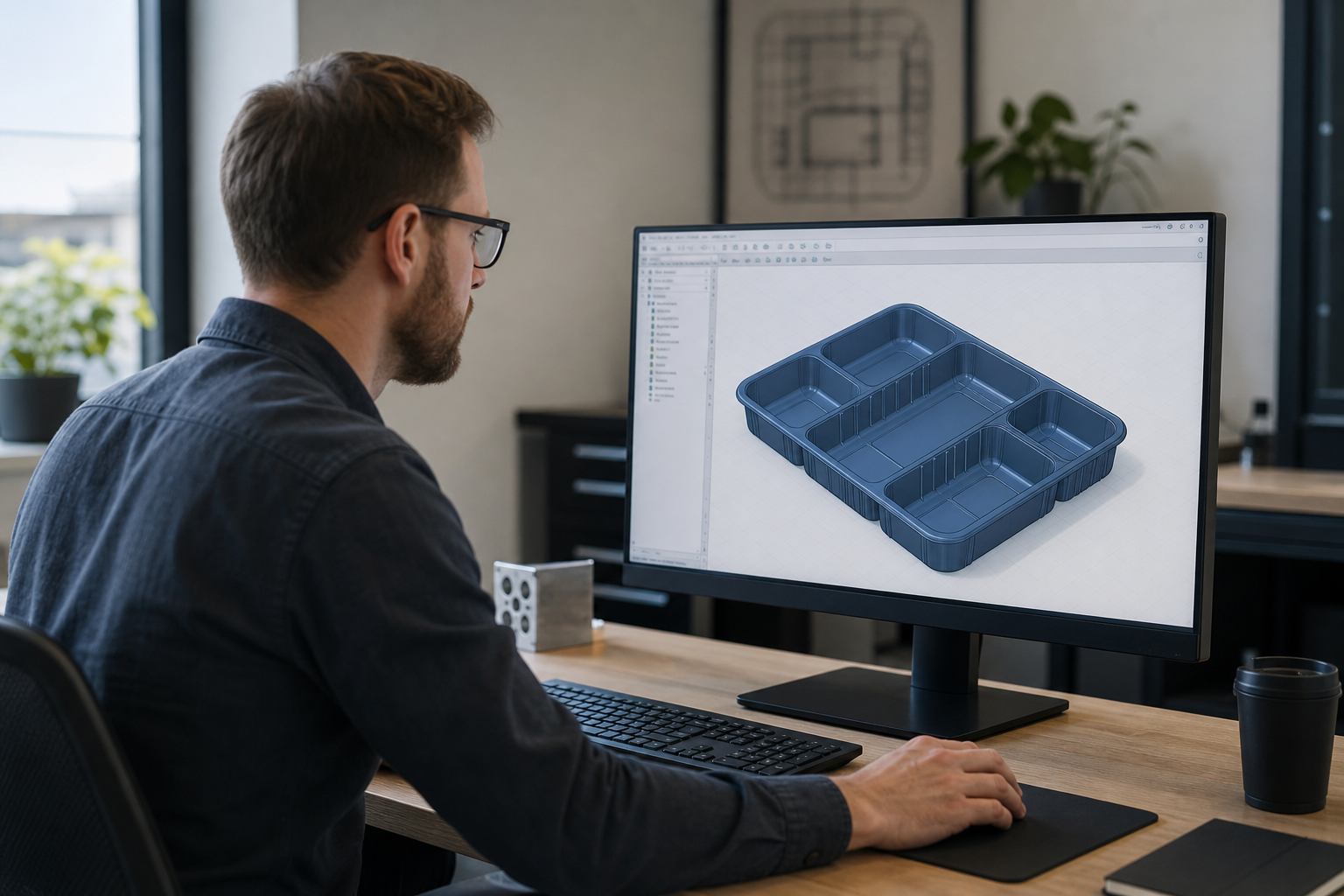
The tray is built around the part, so part geometry is one of the first timing drivers. Straightforward parts with stable dimensions are easier to design around. Parts with fragile features, odd profiles, orientation requirements, or tight clearance needs usually take more design attention. Pocket geometry may need to control rolling, tipping, surface contact, stack height, or pick access. Each added requirement can add review time before production starts.
Material Selection
Material choice also affects timing. Ready-Made offers thermoformed plastic packaging materials for needs such as ESD protection, chemical resistance, and clean-room use. When your project fits a standard material path, coordination is usually simpler. When it requires a more specialized material or a custom color, the planning path can become more involved. That does not make the project harder to do. It just means material fit should be discussed early instead of treated as a late-stage detail.
Measurements, Samples, And Fit Validation
Many delays come from uncertainty around the part itself. If dimensions are incomplete, tolerances are still moving, or the team has not agreed on how the tray will be loaded and unloaded, approval loops tend to grow. This is one reason the Free Sample program matters. A sample helps your team confirm fit, handling, and pocket style before a larger commitment. Sampling adds a step, but it often prevents a much slower correction later.
Quantity And Production Planning
Order volume affects more than packaging count. Larger runs may require more production planning, case-pack coordination, and scheduling around other work already in the queue. Smaller quantities can be easier to slot into a schedule, but that depends on the tray design and the production calendar at the time of the order. This is why a lead time estimate is more reliable after the scope is defined than before.
Approvals And Internal Decision Speed
A custom tray project can stall even when the supplier is ready to move. Engineering review, purchasing signoff, customer approvals, and final part checks all affect the timeline. In many cases, the longest gap is not fabrication. It is waiting for a decision. When your internal owners are aligned on material, pocket layout, quantity, and ship date priorities, the project usually moves with fewer stops.
What Procurement Teams Can Do To Shorten The Timeline
The easiest way to shorten a custom project is to reduce avoidable back-and-forth. Start with the part dimensions, target quantity, use case, and handling risks. Clarify whether the tray is for shipping, storage, kitting, work-in-process, or final packout. Note whether the part needs orientation control, stackability, lid fit, ESD protection, or visual inspection access. Those details help the design conversation move in the right order.
It also helps to decide early whether a stock option could work or whether the job truly needs a custom tray. Ready-Made keeps a broad catalog of stock trays and a large online store selection. If a standard footprint or pocket style already fits the application, you may be able to move faster than with a full custom design.
When A Custom Tray Is Worth The Extra Time
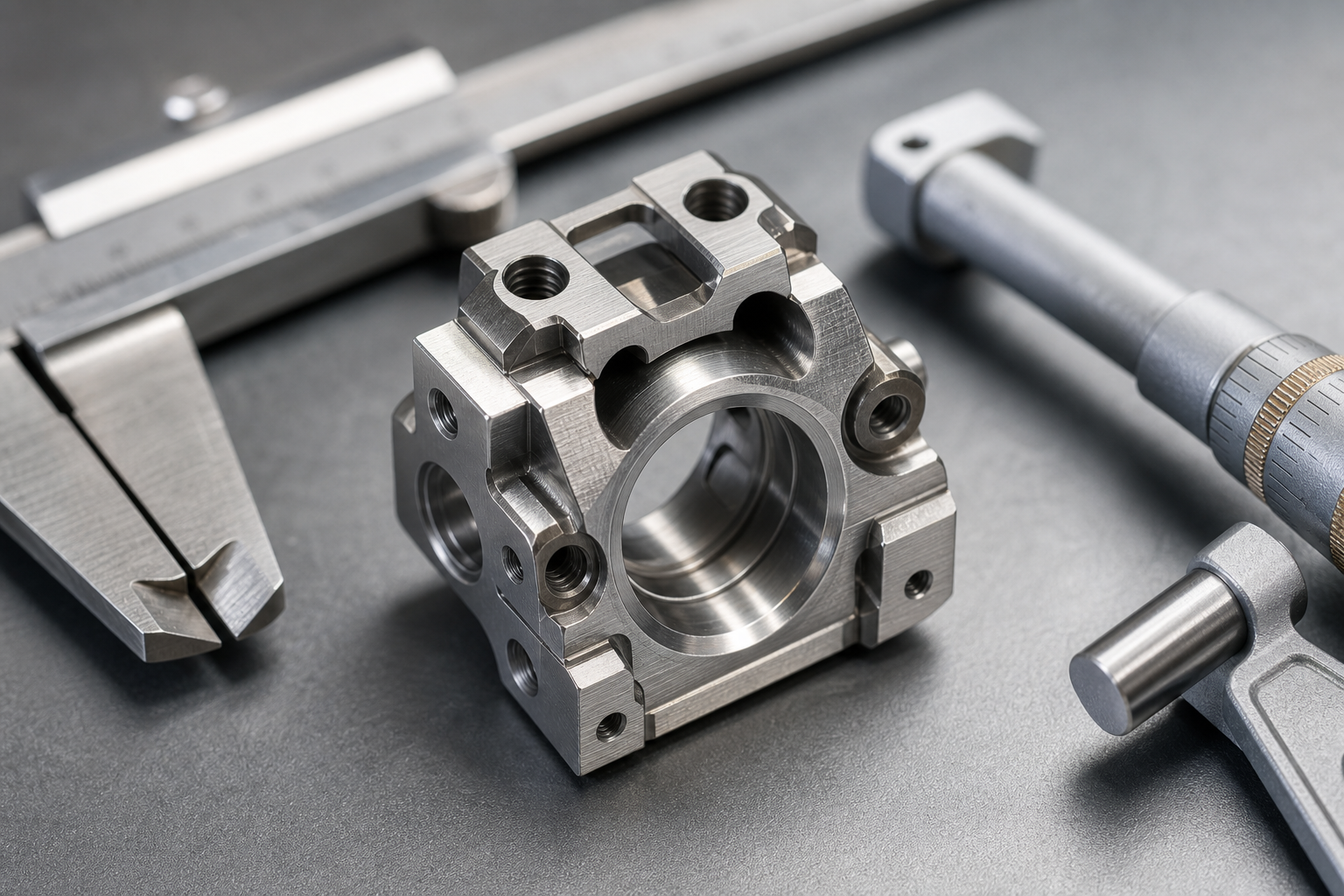
A longer custom process can still be the right business decision. If your parts are delicate, expensive, difficult to orient, or hard to count accurately in loose packaging, a purpose-built tray often improves consistency across handling, storage, and shipment. It can also reduce damage risk, simplify packing steps, and make downstream inspection easier. In those cases, the right question is not only how long the project takes. It is whether the finished tray removes enough friction to justify the process.
That is especially true when the tray needs features such as custom pocket depth, finger access, cavity numbering, color coding, or a specific material path. Ready-Made’s custom tray process supports custom pocket dimensions up to 2 inches deep in several standard tray footprints, which gives teams room to solve fit and handling problems that stock trays may not address.
How To Get A Better Lead Time Answer Earlier
You do not need every detail finalized before starting the conversation. You do need enough information to frame the job correctly. A useful inquiry usually includes the part dimensions, any fragile or cosmetic surfaces, expected quantity, the handling environment, and whether a lid, stackability, or special material is required. From there, the team can usually tell whether the project looks simple, moderate, or more involved.
If your schedule is tight, bring that up at the start. It is easier to explore practical options early than to force a fast turnaround after the tray design path is already set. The most productive next step is often a direct conversation with Ready-Made about the part, timeline pressures, and whether a sample or custom quote makes sense first.